
Some men take every opportunity to dress with distinction in a suit. Others feel uncomfortable at the mere thought of putting on a jacket. For the latter group, a suit often feels like an obligation—required by professional expectations, wedding dress codes, or ceremonial events.
But is it possible to select a suit in a way that even someone who has never enjoyed wearing one can feel comfortable in it? We believe it is.
To achieve this, it’s important to understand what makes suit-wearing uncomfortable in the first place.
1. The Biggest Enemy: The Imprecise Size
1. How can someone develop a positive relationship with suits if their first experience is discomfort—constriction, restricted movement, or the opposite: a loose fit that looks unrefined? A poorly fitted jacket makes anyone feel awkward, as if they don’t belong at the event.
Our tip: Always undergo a professional fitting, even if you think you know “your” size. Sit, move, and test comfort in motion. At Titem, we pay close attention to feedback and intricate details to find the most suitable cut.
2. The Silhouette Makes All the Difference
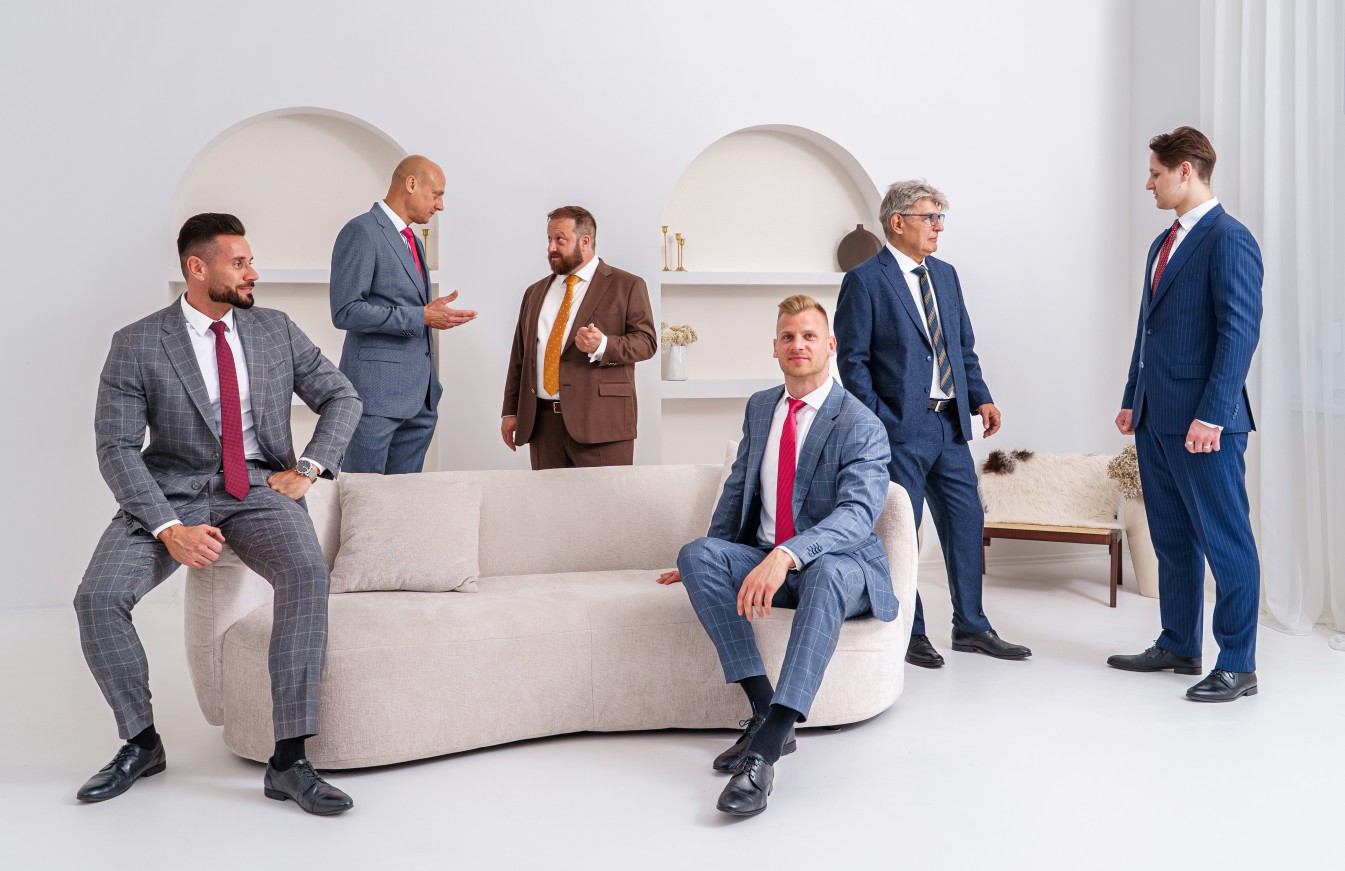
Not all suits are the same. Physique matters: athletic, fuller, broad-shouldered, tall—each requires a different architectural cut.
At Titem, we offer six distinct signature cuts:
Super Slim Fit: For very lean builds; clean and modern, but only if the frame truly suits it.
Slim Fit: Slightly tapered; ideal for most well-proportioned body types.
Regular Fit: Classic, stately cut with effortless movement.
Comfort Fit: For fuller builds, especially if suits tend to feel constricted around the midsection.
Body Fit: Designed for athletic physiques with broad shoulders and a suppressed waist.
Long Fit: For tall men whose proportions rarely match ready-to-wear sizing.
Whatever the build, we find the cut that naturally follows proportions without feeling foreign.
3. Fabric Choice – The Key to Comfort
3. Many difficulties with suits stem from inappropriate fabrics—especially in warm weather. Today, lightweight, breathable, and flexible materials are available that make wearing a suit far more comfortable, even in summer.
Consider:
- Virgin wool blends and technical stretch fabrics
- Lightweight cotton-linen blends
- Alternatives beyond traditional heavyweight wool
4. Color and Pattern: Stay Authentic
The color and pattern of a suit strongly influence overall presence. Wearing shades that don’t feel aligned with your personality can make you feel out of place.
Tipp: Stay close to your everyday style. Navy, gray, or subtle patterns are timeless choices. Matte fabrics and refined textures create a more natural look.
5. Keep It Simple
5. A three-piece suit is undoubtedly elegant, but if you’re not comfortable with a waistcoat, stick to a two-piece combination. For less formal events, pairing a suit with a crisp shirt—or even a refined T-shirt—can feel more natural.
6. A Master Tailor Makes a Difference
Much of the discomfort associated with suits comes from garments that are not properly tailored. Small adjustments by an experienced artisan can dramatically improve both appearance and comfort.
7. A Suit as a Tool, Not a Burden
7. When wearing a properly master-tailored suit made from the ideal fabric and in the right hue, the sense of obligation often disappears. A well-chosen suit builds confidence and can even become a natural part of everyday life.
At Titem, our mission is to ensure that elegance never requires discomfort. We help each client find the cut, fabric, and style that align with their personality and comfort zone. A suit can become more than an obligation—it can become an opportunity to present yourself with distinction and authenticity, without tension.